Kodomo Reads
Curated English picture books, children’s literature and graded readers for international families.
Editor's Picks
38 books

The Very Hungry Caterpillar
Count food and follow the days with a hungry caterpillar. Enjoy the repetition together.

The Gruffalo
A clever mouse outwits danger. Rhymes and surprises make this a lively read-aloud.

Dinosaurs Before Dark
Travel to the dinosaur age with Jack and Annie, following clues and a connected story.
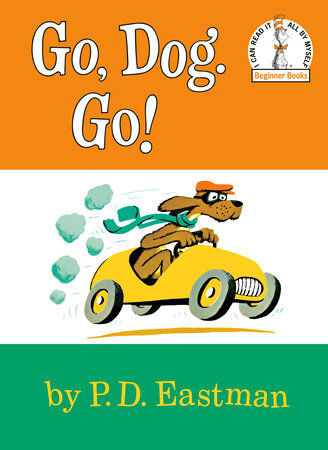
Go, Dog. Go!
Join the dogs on the move, exploring position words, colours and opposites through playful scenes.
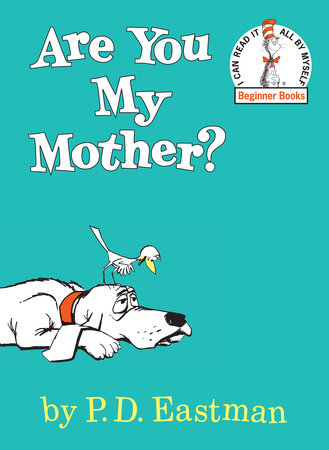
Are You My Mother?
A little bird searches for its mother. Join the repeated question and guess what happens next.
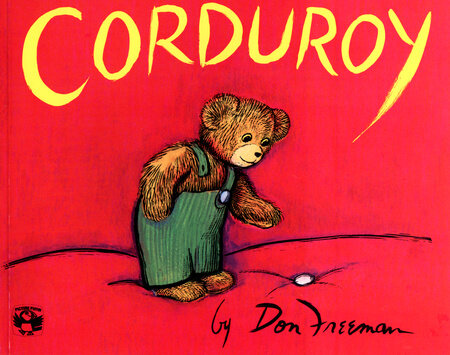
Corduroy
A bear searches for a button and a friend. A warm starting point for talking about acceptance.
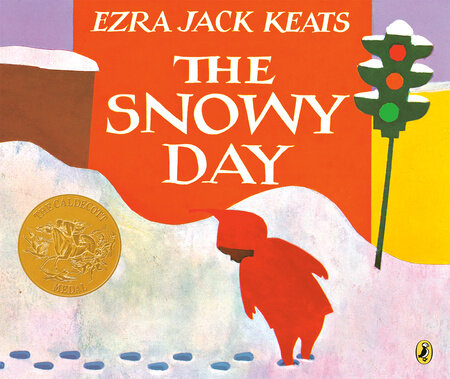
The Snowy Day
Explore snowy streets with Peter and turn everyday discoveries into English conversation.
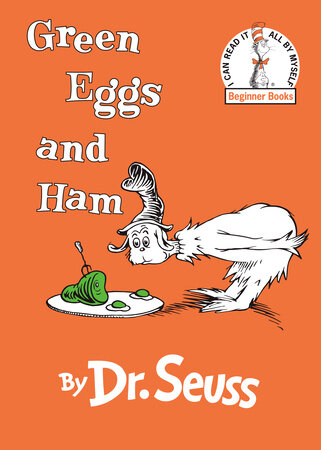
Green Eggs and Ham
Enjoy repeated words and playful rhymes, then talk about giving new things a try.
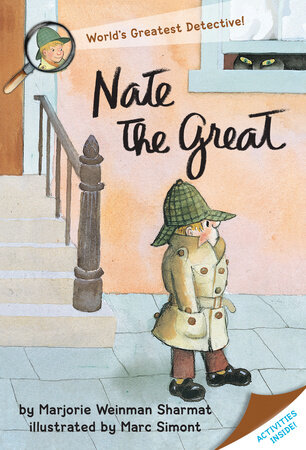
Nate the Great
Help a young detective find a missing picture. Notice clues and explain your guesses.
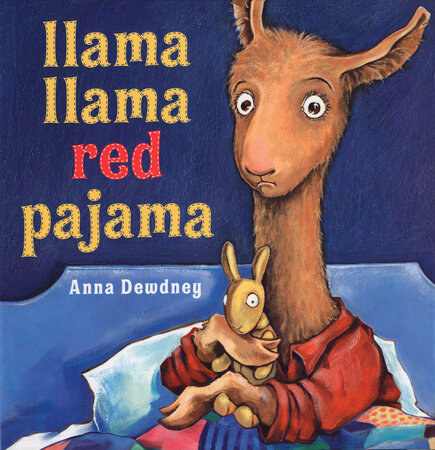
Llama Llama Red Pajama
A rhyming bedtime story opens up conversations about waiting and feeling safe.

Where's Spot?
Lift the flaps to find a puppy. Turn position words and questions into a little game.

Big Shark, Little Shark
Compare a big shark and a little shark in short sentences for early independent reading.
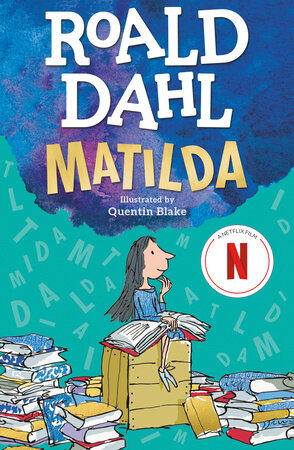
Matilda
Humour and exaggerated language reward readers ready to move from chapter books to longer novels.
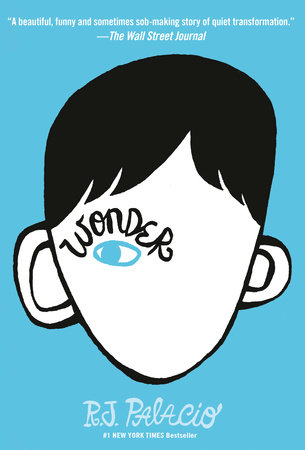
Wonder
A school story about empathy, told from several viewpoints. Best for readers comfortable with novels.
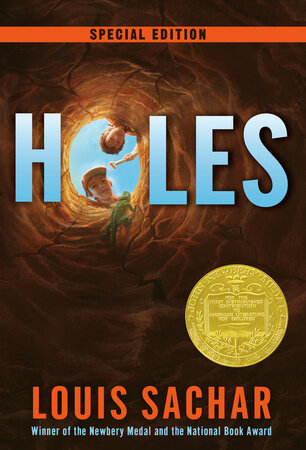
Holes
Follow clues across interwoven timelines in a suspenseful story that invites discussion of fairness.

The Hobbit
Longer sentences, an older storytelling style and fantasy names suit experienced novel readers.

A Little Princess
Stepping Stone adaptation, not the full original. A starting point for discussing kindness and dignity.

Black Beauty
Stepping Stone adaptation, not the full original. A horse’s story includes animal suffering.

Anne of Green Gables
Explore growing up and belonging through imaginative dialogue and period vocabulary.
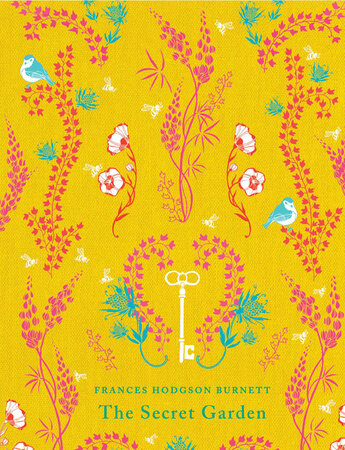
The Secret Garden
A classic about nature and friendship. Dialect and historical attitudes invite guided discussion.
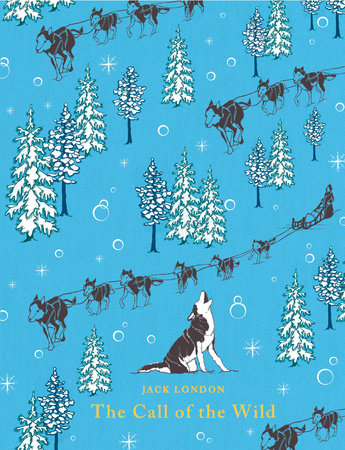
The Call of the Wild
Short but demanding, with violence. Mature readers can explore survival and animals’ experiences.
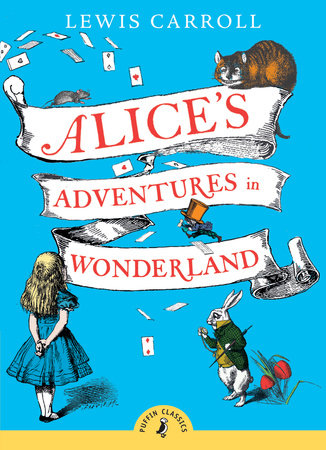
Alice’s Adventures in Wonderland
Enjoy curious logic and wordplay without needing to understand every joke on the first reading.
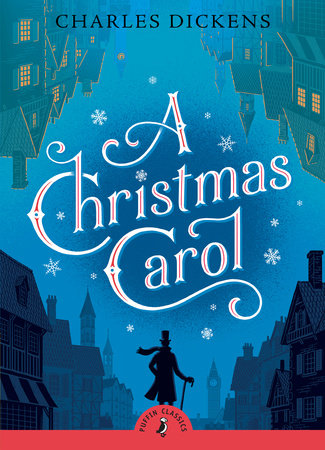
A Christmas Carol
Victorian vocabulary and longer sentences offer a challenge while exploring generosity and change.

Treasure Island
Stepping Stone adaptation, not the full original. Follow a pirate adventure and predict what comes next.

The Extraordinary Cases of Sherlock Holmes
Read eight mysteries one at a time. Period language, hidden clues and crime themes suit advanced teens.
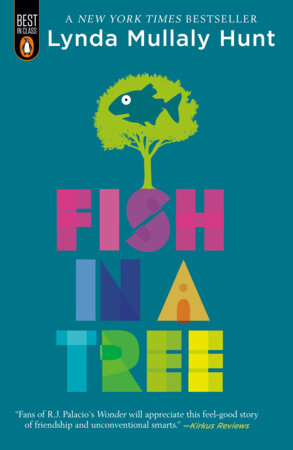
Fish in a Tree
A school novel about dyslexia and confidence, with natural dialogue for readers moving into longer fiction.
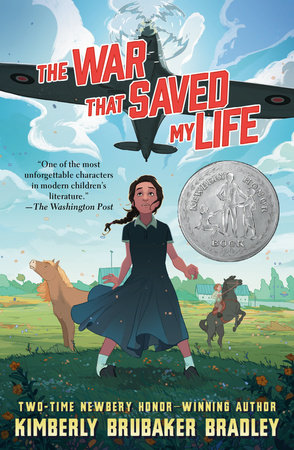
The War that Saved My Life
A coming-of-age story set in World War II. Accessible prose, but abuse and war need emotional readiness.

Bluey: Grannies
Share the sisters’ granny game, then talk about kindness rather than winning an argument.

Minecraft: Beginner's Guide
Ages 7+. Use familiar game ideas to tackle short instructions and build practical English vocabulary.

There's a Monster in Your Book
Shake, tilt and blow along with the story: a playful read-aloud for children who like to move.

Cars (Disney/Pixar Cars)
A short illustrated film retelling to share aloud, with friendship at the heart of the race.
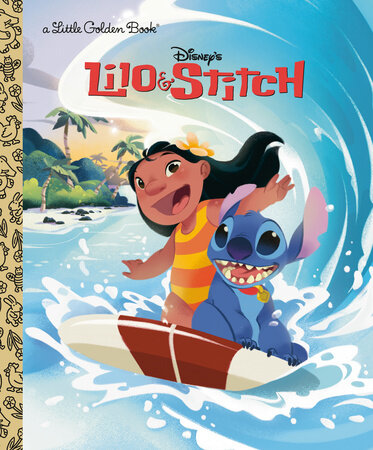
Lilo & Stitch (Disney Lilo & Stitch)
Share this illustrated film retelling and talk gently about loneliness, belonging and family.
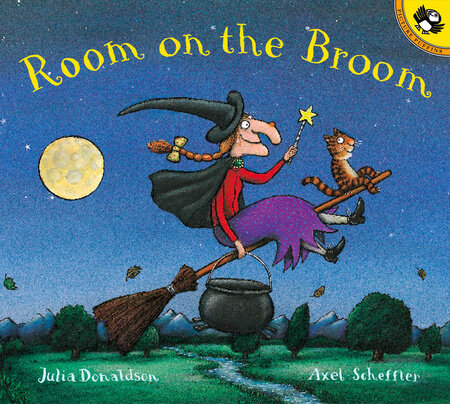
Room on the Broom
Enjoy the rhymes and count the broom’s passengers; share the dragon scene with sensitive listeners.

Charlie and the Chocolate Factory
Explore the factory chapter by chapter, with room to discuss the sharp humour and exaggerated punishments.
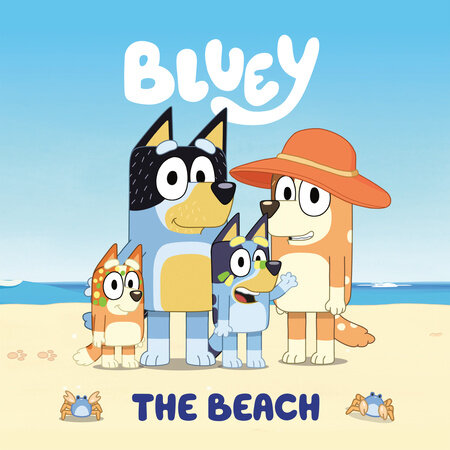
Bluey: The Beach
Spot beach creatures in the pictures and cheer Bluey through a small, brave adventure together.
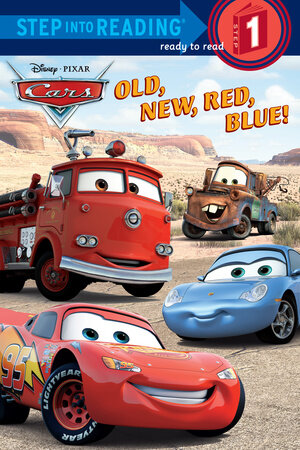
Old, New, Red, Blue! (Disney/Pixar Cars)
Practise colours and opposites with familiar cars in a short Step 1 reader.

A Good Girl's Guide to Murder
Follow interview notes and shifting clues in this 14+ mystery. Themes of murder and suicide make content readiness as important as reading confidence.
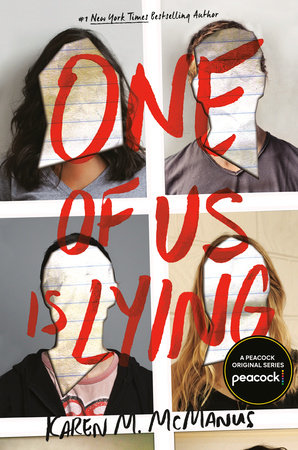
One of Us Is Lying
Compare four narrators as a school mystery unfolds. A 14+ choice with murder and drug-related themes, rather than a younger school adventure.
Amazonのアソシエイトとして、Kodomo Go! は適格販売により収入を得ています。
FAQ · English reading & level guide
Understand book levels and language tests, then choose for your child.
How do Oxford Reading Tree, Oxford Levels and Read with Oxford differ?
Oxford Reading Tree is a reading series; Oxford Levels describe book difficulty from 1–20. Read with Oxford uses six broader home-reading stages: Stage 1→Levels 1/1+, 2→2/3, 3→4/5, 4→6/7, 5→8/9, 6→10/11/12. Check the exact edition’s label.
Official source ↗Can book levels be converted directly to CEFR or age?
No. Book levels describe reading demands, while the main CEFR levels A1–C2 describe language proficiency. Our reading-ability labels are editorial guidance, not an official assessment. Consider understanding, interest and independence as well as age.
Official source ↗How does Eiken relate to CEFR?
Eiken includes Grade Pre-2 Plus. CEFR reporting depends on both the test grade and CSE score, not simply the grade passed. Grades 4 and 5 do not report a CEFR level; a test result should not be treated as proof of every language skill.
Official source ↗What are the Cambridge English stages?
Young learners can take Pre A1 Starters, A1 Movers and A2 Flyers, followed by A2 Key, B1 Preliminary, B2 First, C1 Advanced and C2 Proficiency. These names identify target exam levels. Use the individual score report to understand actual performance.
Official source ↗Do TOEIC and TOEFL scores determine which books to choose?
TOEIC commonly assesses workplace English; TOEFL iBT assesses academic English. TOEIC Listening & Reading (10–990) does not include the separate Speaking & Writing tests. TOEFL Primary, Junior and iBT are different tests. None directly determines whether a child will enjoy or understand a particular book.
Official source ↗What changed in TOEFL iBT scoring?
From January 21, 2026, TOEFL iBT uses a 1–6 scale in half-point increments. A comparable overall 0–120 score is also supplied during a two-year transition. Always check the test version and date when comparing scores.
Official source ↗