
From a wonky fox drawing to a three-second LEGO film, here’s how we pick one video and take the idea from the screen to the kitchen table.
Pick a video on Kodomo Go! VideosA few friends and I were talking the other day about what our kids watch on YouTube. We started swapping channel names, and it struck me how often even parents who choose carefully find themselves at the mercy of the recommendations. On YouTube Kids, I've still come across loud toy demos, pretend play and one unboxing after another. My daughter can sit there watching for half an hour, then ask for one more as soon as I turn the TV off. Sometimes I find myself wondering what made that particular half hour worth keeping.
I write and make things for an audience myself, so I have some idea how hard it is to make a video that millions of people want to watch. But when I pick something for my daughter, I have a selfish preference. I'd rather hear “Oh, that's how they made it. Can I try?” than “That was amazing. Can I watch another one?” A crooked drawing, a monster cut from a delivery box, a three-second animation, a board game with rules she made up herself: any of those will do. The moment I look for is when she gets out of her chair and starts looking for materials.
When you're raising a child abroad, it's tempting to count every minute of a video as English practice or a chance to keep up their Chinese. At our house that works better the other way round. Once my daughter wants to know why a mechanism moves, or which line to draw next, she has a reason of her own to listen. Here are the channels and shows we've actually used at home, starting with the ones that can go straight from the screen to the kitchen table.
01. Start with paper, a marker and whatever is in the drawer
Draw beside another child
Our most frequent pick is Art for Kids Hub. A dad named Rob draws alongside one of his children, with the two drawings side by side on screen. Rob puts down a clean line in one go. The eyes on his child's drawing might be two different sizes, or the coloring might go outside the lines. He notices a funny expression and enjoys it. That's a useful thing for my daughter to see when she's hesitating over the first mark on a blank piece of paper.
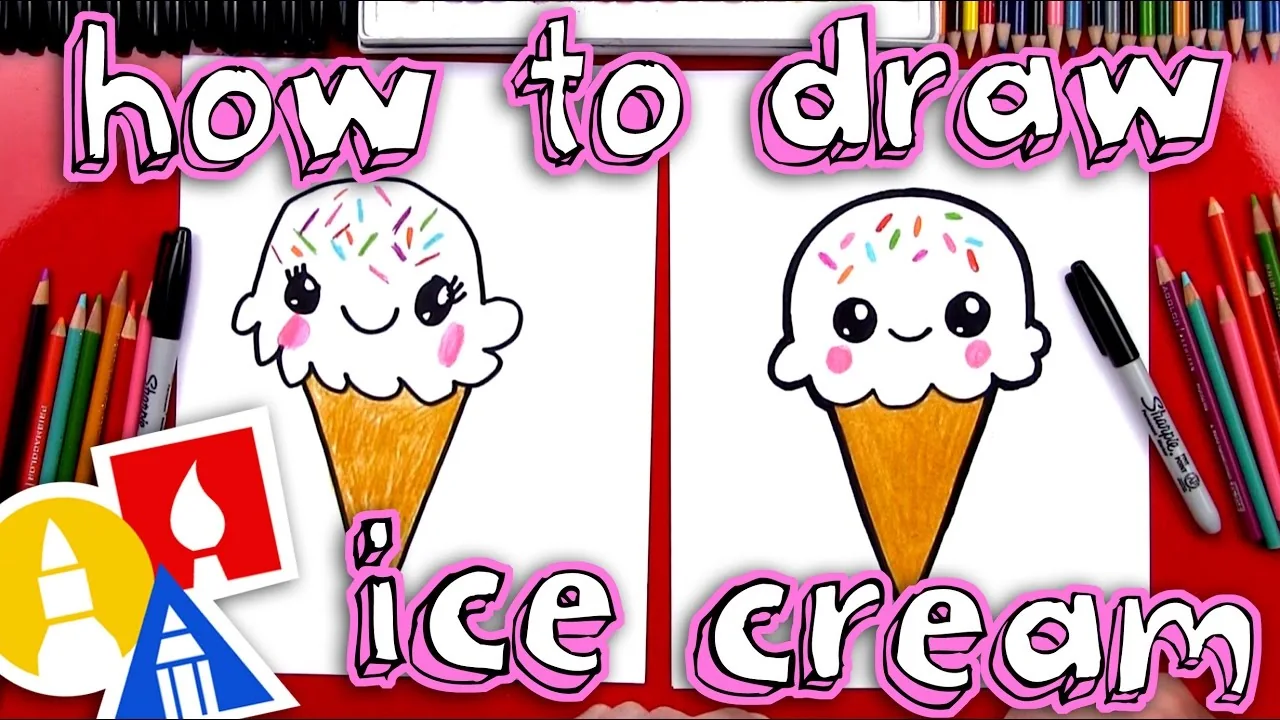
I put out paper and markers before we press play. When we're done, and if she still feels like drawing, I might ask, “What kind of ridiculous weapon would you give this character?” or “What did it have for lunch today?” The video got her started. Whatever she adds in the blank space is where the picture starts to sound like her.
For something three-dimensional, we turn to Mister Maker and NHK's ノージーのひらめき工房 (Nozy's workshop). In *Mister Maker*, the one-minute challenge is the bit my daughter watches without blinking. A paper plate, buttons, cotton balls and a glue stick become something before the clock runs out. Then she goes looking in our drawers. NHK's show gives the materials more room. What does it sound like when paper tears? What kind of creature do three boxes taped together look like? Since we started watching, our delivery boxes and toilet-paper tubes have had a second stop before recycling: her materials bin. On weekends, unnamed cardboard buildings turn up on the living room floor.
Tap the beat, arrange the biscuits, move the pieces
In Disney's Little Einsteins, four children travel in a red rocket, with paintings and classical music woven into the adventures. My favorite bit is the takeoff. The children on screen ask you to pat your knees, starting slowly and working up to a quicker beat. When a tune rises or falls, you can follow it with your arms. My daughter can feel something changing in the music before she has the words to describe it.
Numberblocks does something similar for math. Four blocks can stand in a single line or make a two-by-two square, and a multiplication episode lets you see rows of equal groups taking shape. I choose one episode for whatever idea my daughter is interested in that week. Then we turn off the screen and bring out LEGO bricks or a few biscuits. “Six was two rows of three. How would we divide eight biscuits among the three of us?” The answer matters less to me than watching her move them around and decide what to do with the leftovers.
When she took up chess, we did much the same with ChessKid. Watching a brilliant player race through a game is a lot to ask of a beginner. A short lesson about one way to take a piece, or one idea for the opening, is something she can use. We get the real board out afterward and play a couple of games. We also do puzzles in the Chess.com app, but there is particular satisfaction in moving a piece yourself and seeing an idea from the video work on your own board.
Try it in the kitchen, or take a trip you can't make in real life
On rainy afternoons, TheDadLab is a good place for us to start. Much of what turns up in these father-and-sons experiments is already in the kitchen: dish soap, food coloring, straws or white vinegar. We pick one that's manageable, grab a couple of cups and try it together at the sink. I help with the materials and tools that need adult hands. A short video can give us plenty to do for the rest of the afternoon.
The Magic School Bus goes where we can't: inside a volcano or down a blood vessel. My favorite part is the closing segment where the show answers calls and explains where the science ends and the make-believe starts. A flying, shrinking bus is a wonderful way to get a child curious. It's also worth pointing out the parts that couldn't happen, and leaving room for a follow-up question when the credits roll.
02. Go behind the scenes, then try a smaller version at home
The three seconds our LEGO figure walked
We've been playing with stop-motion animation on weekends. Guldies makes clay and wooden balls move so smoothly that you can forget you're looking at a series of still photos. My daughter had always taken it for granted that animation moves. After watching some behind-the-scenes footage, we opened Stop Motion Studio on the iPad and stood one of her LEGO figures on the table.
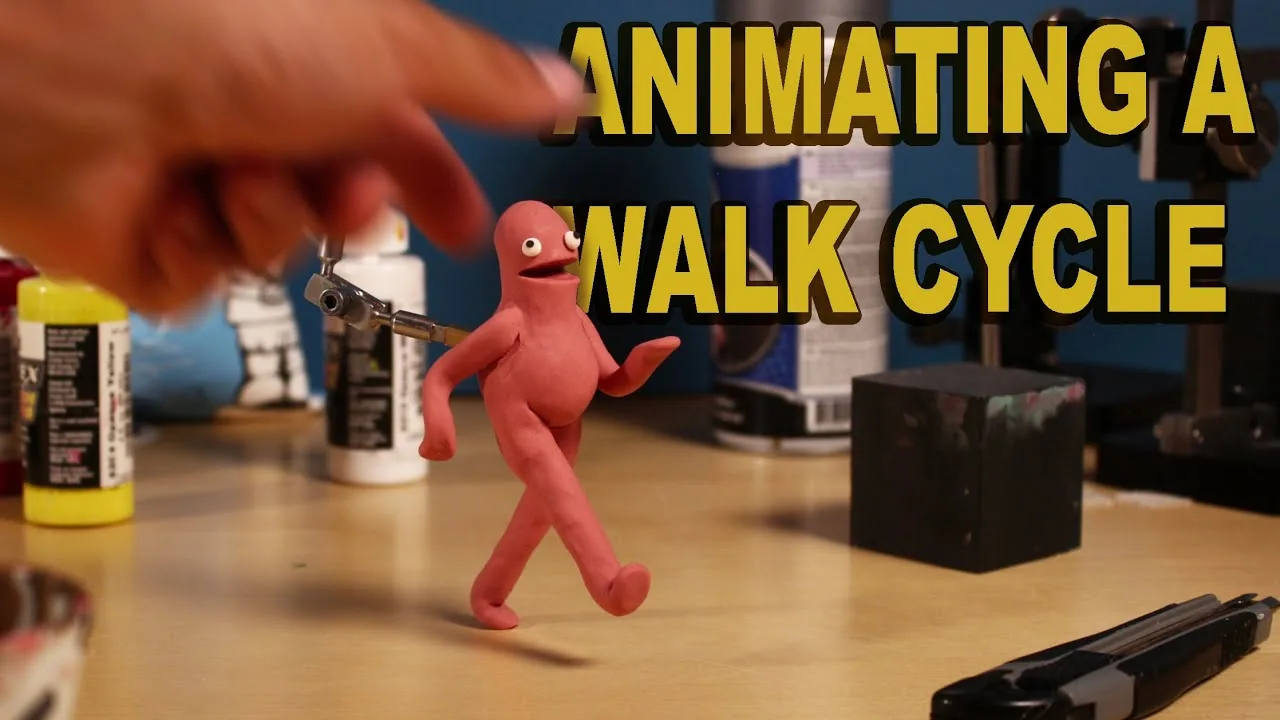
Take one photo. Move the figure's leg a tiny bit. Take another. When we played the frames back, her figure walked for all of three seconds. I remember her face. She'd seen plenty of animated characters walk. This was the first time that one of hers had done it because she'd made all those small moves herself.
A transforming chess pawn, and a prototype made of card
In one Works By Design project, a chess pawn that reaches the far end of the board can turn into a queen right there, without anyone swapping in another piece. Mark Rober made a dartboard that moves to meet the dart. His CrunchLabs videos and MythBusters Jr., where Adam Savage works with young experimenters, also show the fiddly work that comes between a question and a finished result.
I watch with my daughter partly because I want to see how they'll make it work. I don't follow every engineering detail, but I can see when a mechanism jams, when a model falls apart and when somebody goes back to the drawing. That's the part worth staying for. We don't need a 3D printer or a workshop to pick up the idea. A question we can bring back to the table is: “If you had only card and tape, where would you fold a chess piece so it could change shape?” Then we can see what the first version will actually do.
Watch a factory, then look around the room again
The Japan Science and Technology Agency follows everyday objects back to their raw materials in THE MAKING. Episodes show how glass marbles and model trains take shape, with close views of factory machines and people's hands. A model train that looked like a single piece suddenly turns out to have a string of decisions behind it. After an episode, it's fun just to look around the room and wonder out loud how the things we use every day got here.
For questions about the body, we watch Operation Ouch!, with its twin doctors. We pick Taiwan Public Television's 下課花路米 (*Follow Me Go!*) to look at places and people's lives in Chinese. Sometimes we put on a short TED-Ed animation at snack time and pause before the answer to guess at the riddle. When my daughter opens a map to find a town she saw on *Follow Me Go!* and asks how far away it is from our city, I've stopped counting the minutes of Chinese she has heard.
03. Choose where to stop, and leave some time unplanned
Decide what she can choose from. If we're using YouTube Kids on a tablet, I use Approved content only. That limits viewing to videos, channels or collections a parent has approved, and removes search from the child's profile. More often, I make a short playlist in my account and cast it to the living room TV with Apple TV. We agree on the two videos we're going to watch on a weekend afternoon or after school, then I turn off the TV after the last one.
Turn off autoplay. Keep bedtime for books. It goes better at our house when my daughter knows where we're going to stop before we start. I keep the playlist short and turn off autoplay rather than letting the recommendations pick what comes next. Before bed we stick to paper books. That's our routine, not a rule every family has to follow.
Don't turn it into a quiz. Imagine laughing through a good show and then being asked, as the credits roll, “What did you learn today?” Sometimes a child just wants to laugh, or have a few quiet minutes with nothing expected of her. And if she does make something afterward, a drawing or a shaky little film can stay at home. She can show us if she wants. It doesn't have to be posted anywhere.
I'm not choosing these videos to turn my daughter into a junior engineer. I just want her to know there's a way through to the workshop behind all those things she sees. If once in ten videos she jumps down from her chair, tugs at my sleeve and says, “Dad, I've got an idea. Can we find something to make it with?” that's enough for me.